

The Health Farm at Habu
The memories of Chief Technician Ted Brede, Royal Air Force, prisoner of war 1942-45, from his booklet "The Health Farm at Habu 1942-1945".
Ted's memories (part one)
Why I will never win the lottery! (I used up all my luck during the war)
I was always on dispersal (servicing aircraft away from the hangars) when raids on camps took place.
During the first raids on Singapore, I was "up country" guarding a radar site being built in the jungle on Mersing Road.
I volunteered to man the guns on the Empire Star (merchant ship) sailing to Australia from Singapore. The offer was turned down and an army man took over. The ship was bombed on the starboard side - where I would have been.
During high level bombing runs the skipper managed to weave the ship in and out and we reached Java safely.
When a prisoner on the "Dai Nichi Maru" (built in 1895) the ship broke down in the South China Sea. Later we learnt that an American sub had run out of torpedoes and ammunition and therefore could not attack the ship. Approximately one third of prisoners who boarded in Singapore died from malnutrition and allied diseases.
Towards the end of the war, I was in bed when allied aircraft carriers were bombing the dockyards in Japan where we worked. A boulder from the sea landed about eight feet away - very close!
The Americans were intending to fire-bomb the dockyards at Onamechi on September 16th - fortunately the war ended on September 15th!
If the Americans had invaded Japan all POWs would have been shot. We were saved by the atom bomb.
Ted's memories (part two)
Prisoner of war 1942-1945
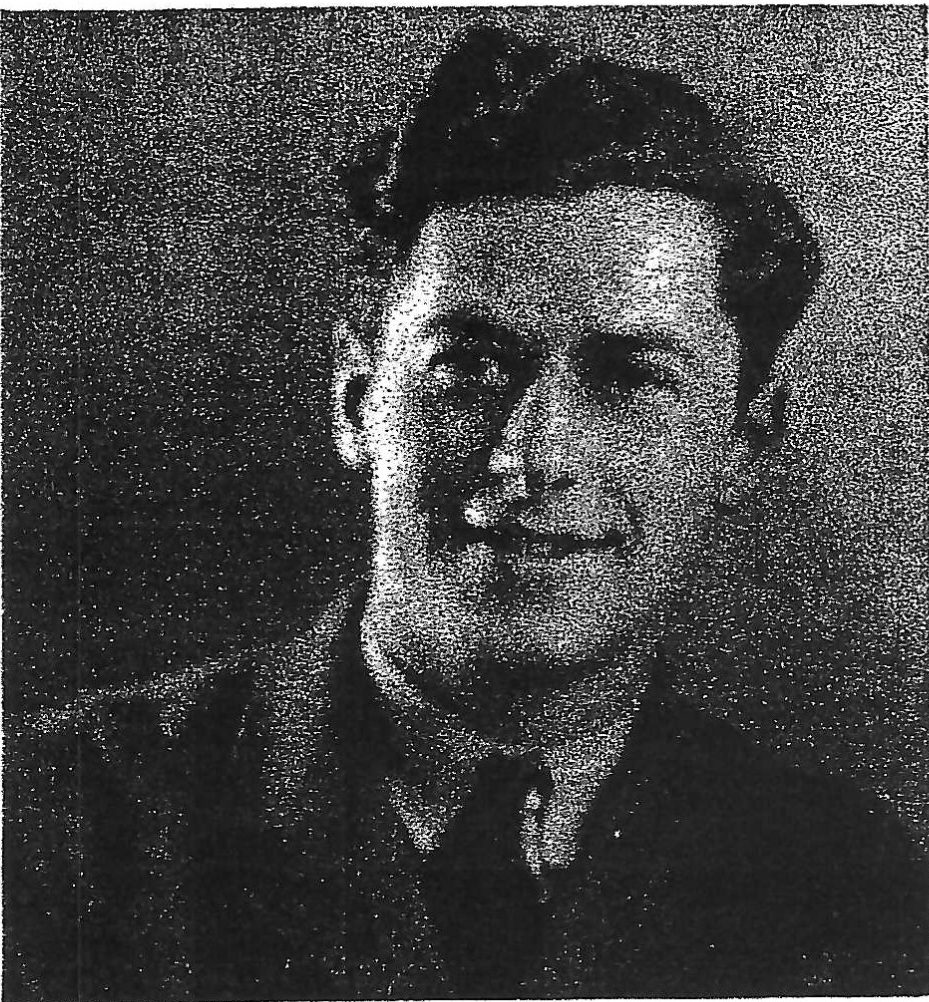
In May 1941 we left for the Far East on "Capetown Castle", calling at Freetown, Capetown, Bombay, Ceylon and finally on to Singapore. Our first visit was to Seletar Transit camp. I was posted to 100 Squadron which was using Wildebeeste aircraft. The war had not started and the squadron was over-manned with tradesmen. We were awaiting delivery of Australian built Bristol Blenheim torpedo bombers. The surplus tradesmen were formed into X party under Squadron Leader Gregson to learn how to fight on retreat and to do guard duties to relieve army personnel.
I went to FE HQ to do guard duties. Here I met my friend "Chick" Henderson. During this time a friend and I were in the cinema when a message was flashed up for all servicemen to return to base immediately as war had been declared. The civilians wished us the best of luck. We stayed to the end of the show!
We went to Sambawang first to do guard duties on aircraft fuel for the Australians who were operating Brewster Buffaloes. We next did guard duties up the Mersing Road to guard a radar station being built for the protection of Singapore. One morning a colleague and I were on duty up a tower overlooking the trees when we heard the sound of what we thought was a reconnaissance aircraft. We rang through to Singapore to report this and everyone was sent to action stations. When we eventually came off duty we heard an army motorbike making a very strange high pitched noise exactly like an aeroplane. We said nothing! We spent Christmas Day 1941 in the jungle eating Christmas Dinner on packing boxes!
As the retreat from Malaysia began we went back to Singapore and then to Sambawang again. There was a Wing Commander, two officers (Hallam and White) and four airmen. Alfie Mears and I decided to sleep in the guard room because there were beds. The Wing Co congratulated us for our courage!
The war began
We were told to make our way to the docks which were crowded with thousands of civilians and troops all trying to get on boats. We embarked on the Empire Star but had to give up our rifles as we boarded. About 30 Australians forced their way on board using their rifles. The ship pulled out into the "roads". Next morning we set sail for Java.
Alfie Mears and I volunteered to man guns but were told by the army that it was their job. We went looking for food as we had not eaten for four days. A girl gave us each a Weetabix with jam on.
The ship was attacked by low-level bombing. The starboard side was out of action. We went on deck and the gun we volunteered for and the soldiers had disappeared overboard. High level bombing took place during the rest of the journey. The ship wove in and out. Water was rationed to half a pint twice a day.
Arrival at Batavia, Java
The Dutch told us not to land as no preparations had been made for troops. We should have gone on to Australia but due to the bombing there was an acute shortage of water. The Australians had to be taken into custody. Therefore the troops were marched off but at the same time civilians embarked. We were sent into schools around Java to await instructions. Chick and I decided to go swimming one afternoon. When we returned the rest of the troops had gone! We were told that the ship was leaving the docks at 12 o'clock and we presumed that this was to be next day. We left the school at 8.00am and arrived at the docks to find the ship had already gone at midnight.
We were taken in a transport convoy over the mountains to Tjilijap where it was hoped there would be a ship to take us to India or Australia. We waited in "Happy Valley" for instructions. Three of us were given rifles to make sure no-one went "walkabout".
The Dutch capitulated and we were now prisoners. The Japanese wanted us to march back to Batavia, but senior officers persuaded them that we would be fitter for work if we had transport. We were marched to a railway station and taken back to Batavia by train.
Boe-Glodok civil prison
We were herded into cells and kept there for three days on rice and soup. The "accommodation" was standing room only. After three days the cook house was opened up and our own cooks made meals. We were formed into working parties and marched four to five miles each day to an airfield where we spent our time filling in craters which the Dutch had made. Bartering was carried on with the locals who came to the airfield. Food was exchanged for money, watches etc. After 4 or 5 weeks my shoes fell off so I was allowed to stay on camp. Lecture groups and concert parties were organised by the prisoners on Saturday nights. I contracted dengue fever in August here. Eventually, after seven months all tradesmen were formed into squadrons (under 2 WOs - Pritchard and Cox) ready for transporting to Japan.
Yoseda Maru
We sailed from Batavia to Singapore, which took 3-4 days (Oct 22-26). When we arrived in Singapore the officers complained of over-crowding and we were transferred to Dai-Nichi Maru.
Dai-Nichi Maru
We set sail for Saigon and Formosa. Once we were out of Saigon the steering broke down. The convoy left us and we travelled on alone at two knots through the South China Sea. Conditions on board were horrendous. All the prisoners were packed into the holds with just one metal ladder to the hatchway and 286 men in a hold. We slept on atap mats on shale. The latrines were hanging over the side of the boat! There were many cases of diarrhoea amongst the overcrowded prisoners. We were living on one pint of water and one bowl of rice per day. At one stage the hatches were kept closed for 3 days! These appalling conditions lasted for the 28 days it took the boat to reach Japan from Singapore. It is difficult to describe the horror of the voyage where men tried to live in appalling squalor, disease was rampant, rats ran across bodies. It is not surprising that after Formosa (Taiwan) the death rate increased considerably.
In Formosa some of the prisoners were taken off whilst we were in the harbour for three days. During this time in harbour we had to drop our trousers in front of giggling girls whilst samples were taken from our anus. We then sailed on to Japan, to Moji. The weather was bitterly cold and we were still wearing tropical uniform. When we disembarked we were given a meal of rice, edible sea weed and daikon (like pickled courgettes). We were taken by train towards Tokyo and put off at Onnimichi. We had been attached to 605 squadron and 100 of us were put on a tug for Habu.
Habu - accommodation for the next three years!
We were organised into working parties for work in the shipyards. Each morning we were paraded at 5.30am and we returned at 5.00pm. At first I worked in the wood yard, this lasted until diarrhoea struck and I had to stay in camp. After Christmas, a hundred Hong Kong Volunteers arrived and went into new buildings. They were all fit and carrying leather suitcases! After my illness I worked on the construction of ships. Every third week we had a "Yasumi" day - a day off when we wrote cards, rested, played cards etc. Only two of my cards ever reached home, one took 15 months and one took nine months and they arrived on the same day, just before Christmas 1943.
The days were very long and we were always hungry. News was very sparse and 1943 was the longest year of my life! We did have food parcels - British, Canadian, and American. Three parcels in three and a half years, the Japanese kept the rest.
In captivity we had to learn how to bow properly. We must not stand with our arms folded as this was assuming a superior position and was an insult to the Emperor. The Japanese believed in Bushido - the spirit of the warrior. A man should fight to the death and anyone who did not was less than dust. Therefore we who had surrendered could be badly treated and if we died it meant nothing to them.
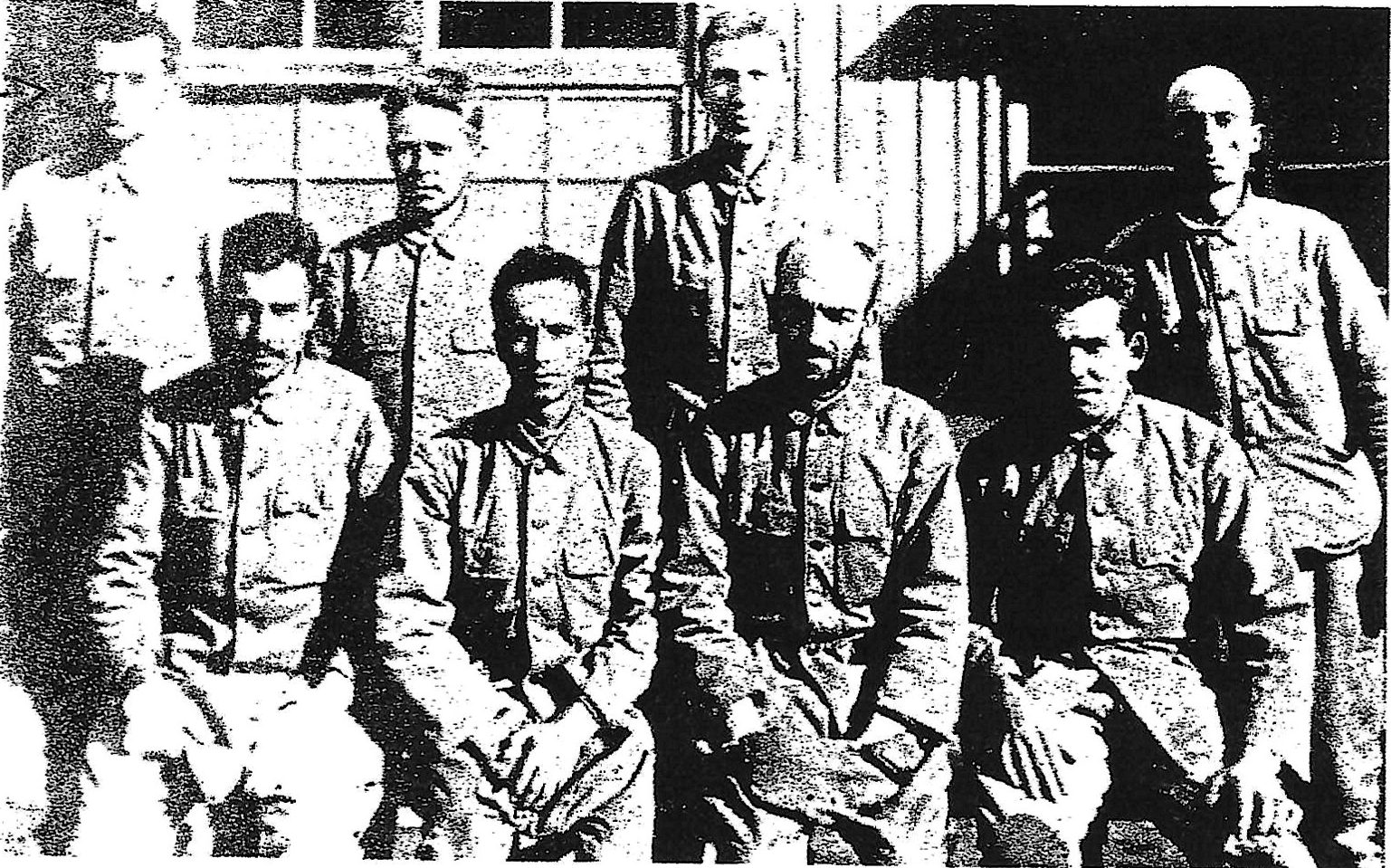
We received a little news from the Hong Kong Volunteers, some of whom were half Japanese and could translate from newspapers. The commandant did not read his paper until 4.00pm so the cooks etc could smuggle the paper down to the docks for translation and get it back before 4.00pm. Eventually we had news from Europe about the second front and that the war in Europe ended in May 1945. We found out about the Hiroshima bomb from an American airman shot down 12 days before the end of the war. (Hiroshima was about 30 miles away from us). After the second bomb, on Nagasaki, Emperor Hirohito surrendered. He gave a speech in which he claimed that the Japanese forces had been beaten by science not warriors. We were told we were not going to work anymore!
The POWs were a form of insurance for the Japanese. They told us that we would have been shot if the Allies had landed.

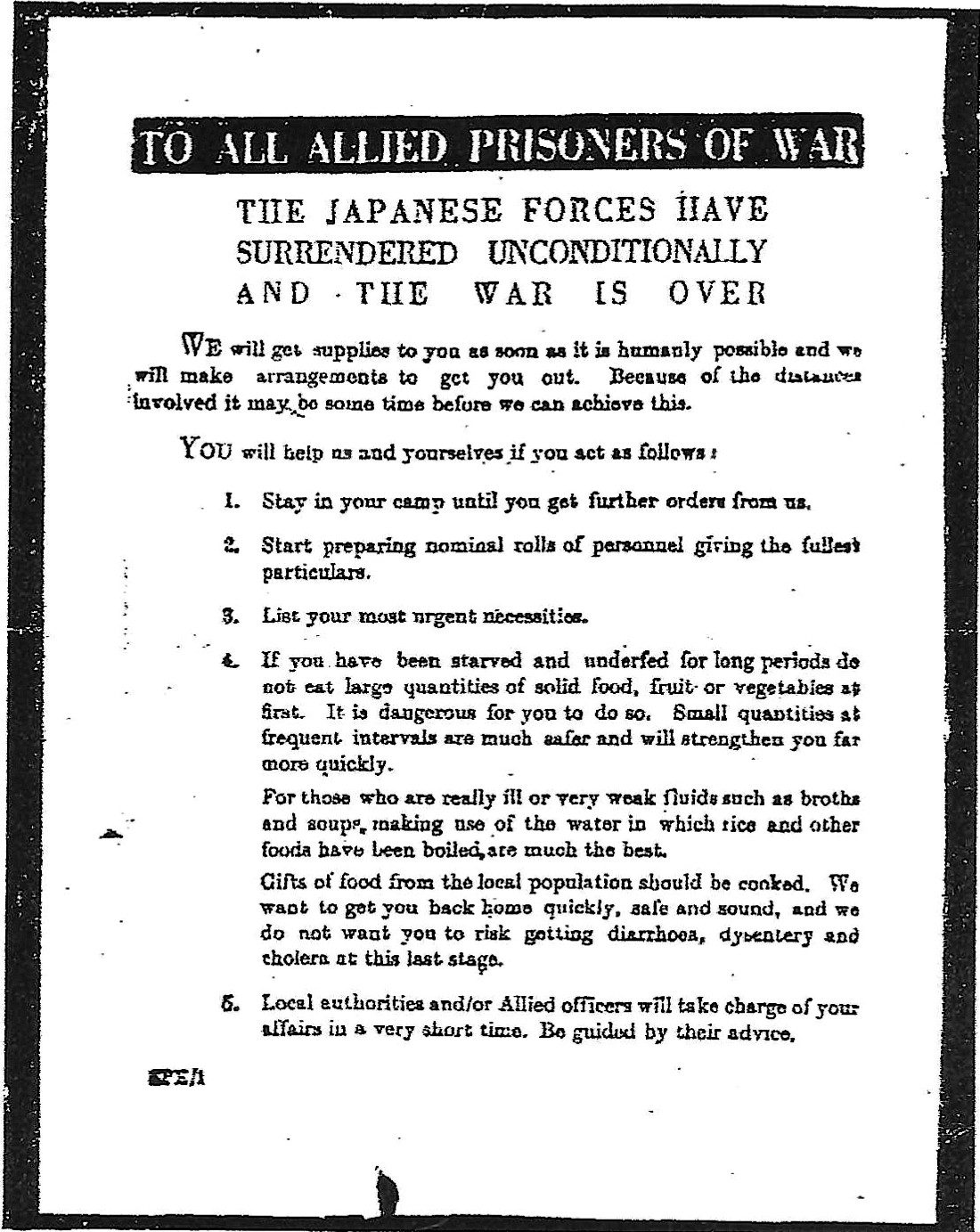
We waited.... A B29 dropped cans of food. One old man had his house demolished by a direct hit by tins of condensed milk. Finally American doctors and nurses arrived to check and see if we were fit to travel. We went by train to Tokyo and were met by Admiral Nimitz who shook hands with me and said "Well done, congratulations." We were then taken to the dockyard and allowed a shower, given a meal and an American uniform.
HMS Ruler to Australia
On board we were given the luxury of two cans of cold beer, I swapped my ration with a naval rating for his ration of rum. We landed in Sydney and were taken to the naval base "HMS Golden Hind" where we were kitted out. The Australians opened up their homes, I went to Duneedoo sheep station where I had to immediately learn how to ride a horse! I borrowed the daughter's horse. Two happy weeks were spent there until I received a recall for the ship home. I have remembered ever since that Jack, the son, said I should have fresh apricots and cream for my last meal. My journey home was on the "Dominion Monarch" via the Suez Canal. Winter uniforms were issued before reaching Southampton.
From Southampton I went to Hednesford, was given three and a half years' back pay and allowed 6 weeks leave.
The war was over!
Written by Ted Brede